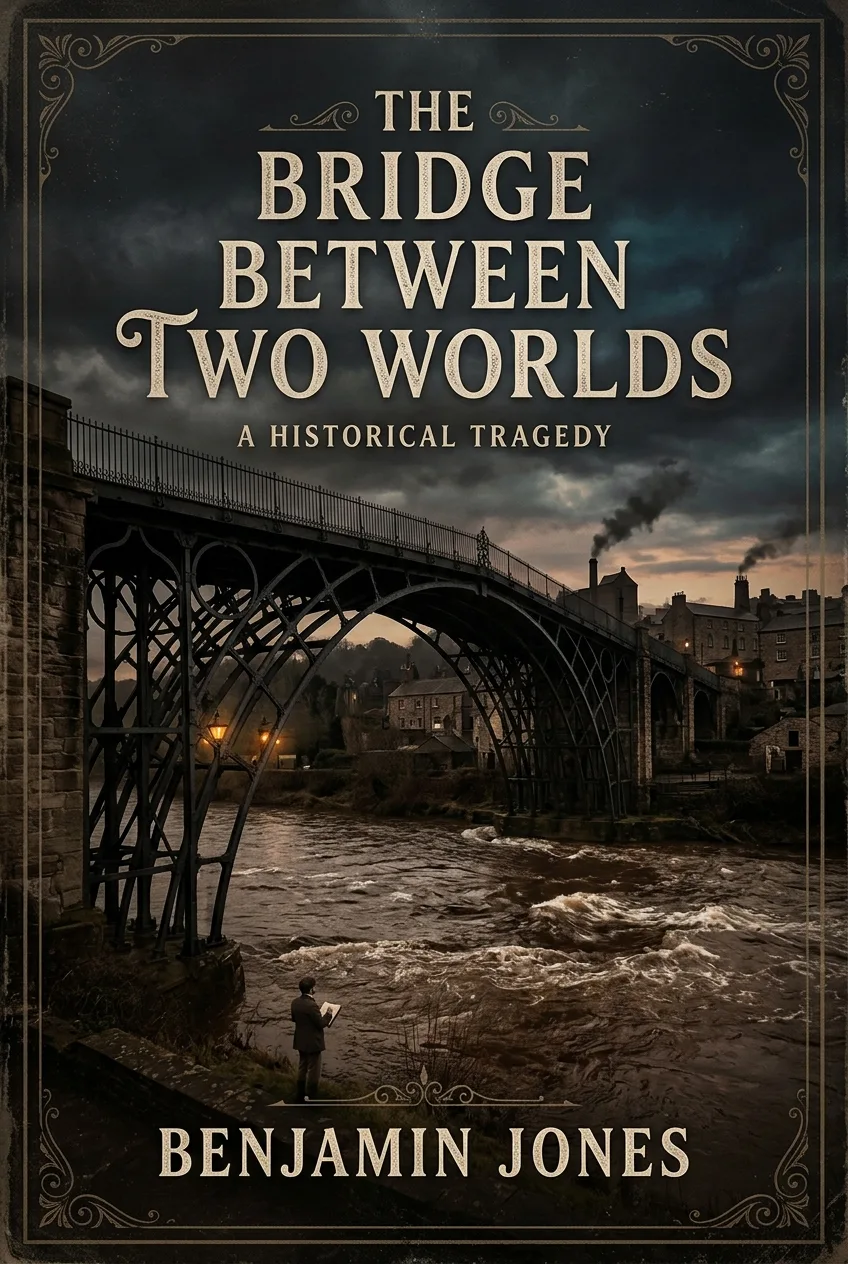
The Bridge Between Two Worlds
Chapter Four — Too Late (1889)
3 minute read
← Benjamin Jones / The Bridge Between Two Worlds
The solicitor's name was Mr Pryce, and he had an office above a bank on the High Street, and he read William's papers twice before he said anything.
"This is a remarkable document," he said at last. "The confession especially. It would not stand in a court of law—Pike is dead, and the witness is dead, and the chain of custody is unclear—but as a matter of public record it is very strong."
"Will the newspaper print it?"
"The Chepstow Weekly Advertiser will print anything that sells copies." Mr Pryce smiled faintly. "And a murder confession from a respectable land agent, implicating a baronet in a property fraud, is the sort of thing that sells a great many copies. Yes. I think they will print it."
"Then print it."
"You understand what will happen? The Harcourts will deny everything. They will threaten to sue. They may sue. The story will be published, and it will be believed by some and dismissed by others, and the law will do nothing, because the law cannot do anything. The men who committed this crime are beyond the reach of any court in England."
"I know," William said. "Print it anyway."
The story appeared on a Thursday, under the headline THE CHEPSTOW MURDER: A FAMILY'S SECRET REVEALED.
It was printed in full: the forged survey, the paid agent, the confession of Nathaniel Pike, the letter from Samuel Vale admitting his own complicity, the statement from Mrs Hale. The editor added a long and slightly breathless introduction, in which he referred to the bridge as "a monument built upon a grave," and to Sir Edmund Harcourt as "a man whose name will now be remembered in this town for reasons he would not have wished."
By Friday, the Harcourts had issued a denial.
By Saturday, the denial had been contradicted by three separate witnesses who remembered Nathaniel Pike, and by Sunday the story had been picked up by papers in Bristol and Cardiff and was being read as far away as London.
By Monday, Edward Harcourt had left Chepstow for his estate in Gloucestershire and had declined to be interviewed.
By Tuesday, the story had begun to fade, because the world is large and the news is hungry and a murder seventy-four years old is not, in the end, a very great sensation.
William walked down to the bridge on the last morning of his stay.
The strengthening work was nearly finished. The old iron arches had been braced with steel, and the whole structure had been repainted a dark, sober grey, and the men were taking down the scaffolding and loading it onto carts. The bridge looked the way it had looked when it opened in 1816—dark and silent and patient—except that it was stronger now, and it would carry more weight, and it would stand for another hundred years.
He leaned on the railing at the centre of the span and looked down at the river.
It ran high and brown beneath him, the same colour it had been on the night his great-grandfather was rolled into it. The body had never been found. The river had never given it up. There was no grave for Thomas Vale, no stone with his name on it, nothing but a confession in a tin box and a story in a newspaper that would be forgotten by the end of the month.
He had cleared the name. That was something. The town knew now that Thomas Vale had not been a thief, and the Harcourts knew that their secret was out, and the truth had survived.
But Eleanor was dead, and Samuel was dead, and Thomas was somewhere in the mud of the estuary, and no amount of truth could give any of them back the years that had been stolen.
He thought of his grandmother, sitting by the window with the tin box in her lap, and he thought of the promise he had made her when he was eleven years old.
You will find out what happened to him. And you will not let anyone forget.
He had found out. He had not forgotten.
He stood on the bridge for a long time, watching the water, and then he turned and walked back toward the town, and the bridge stood behind him, dark and silent and patient, carrying the weight of another generation.
The truth had survived.
It had arrived too late to save anyone.
The End
About Benjamin Jones
Benjamin Jones is a historical fiction author fascinated by the people and engineering that shaped the British landscape.
Author PageWhat to Read Next
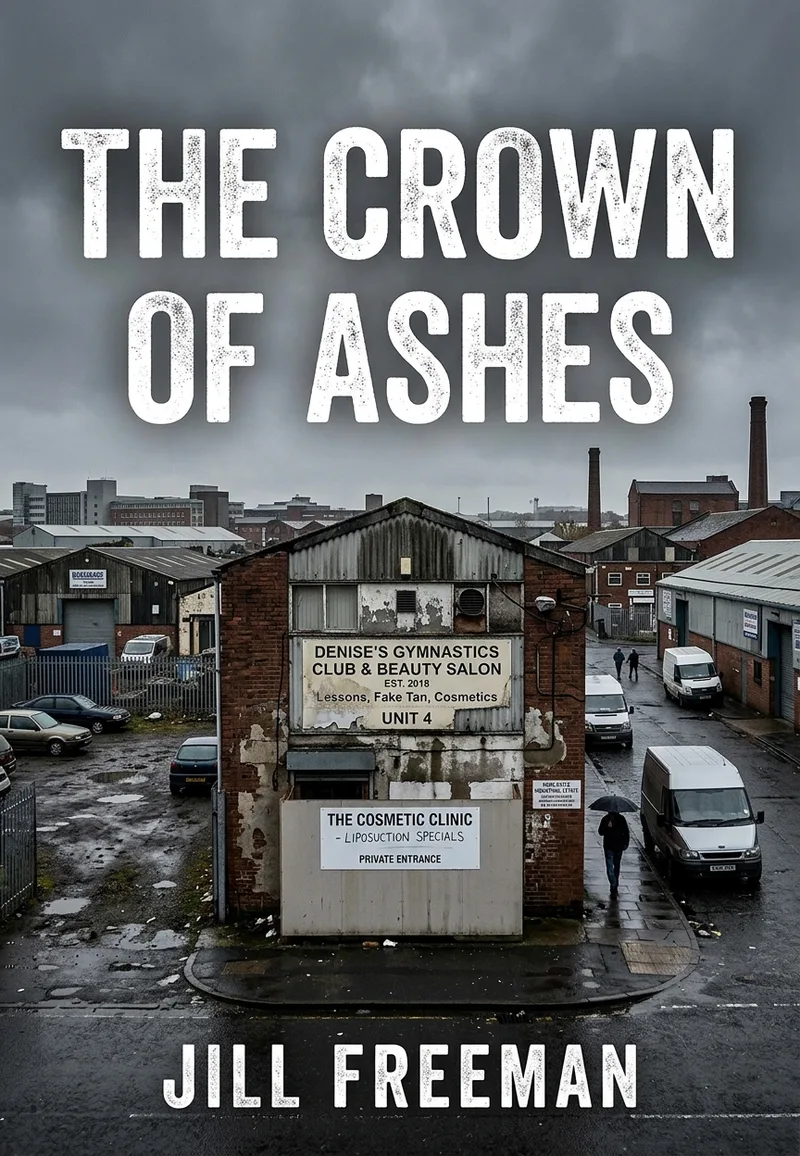
The Crown of Ashes
By Jill Freeman
A failing gymnastics club, a controversial cosmetic surgery, and a hidden relationship. Denise built an empire on appearances. Mara wanted the truth. Neither of them realised what the truth would cost.
9 minute read
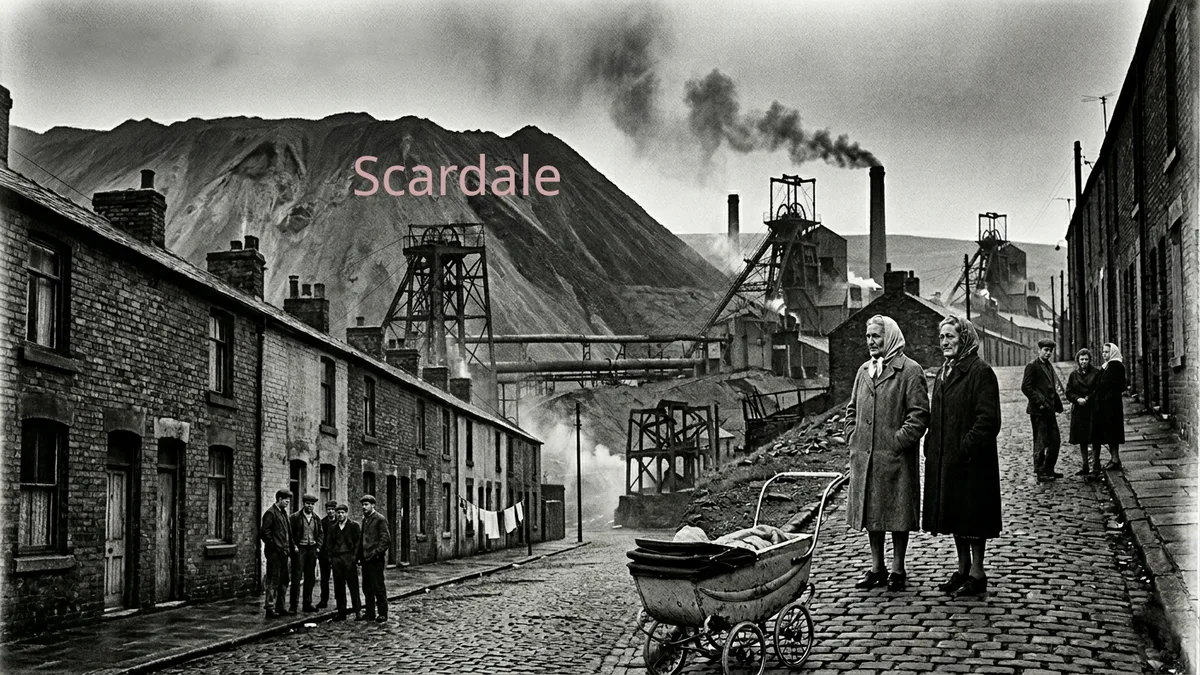
Scardale
Scardale is set in a mining village in the county of Yorkshire. Elsie Davey is the last inhabitant of Scardale. She befriends a young reporter, Lucy, and begins to tell her the tale of a few of the village’s characters...
36 minute read
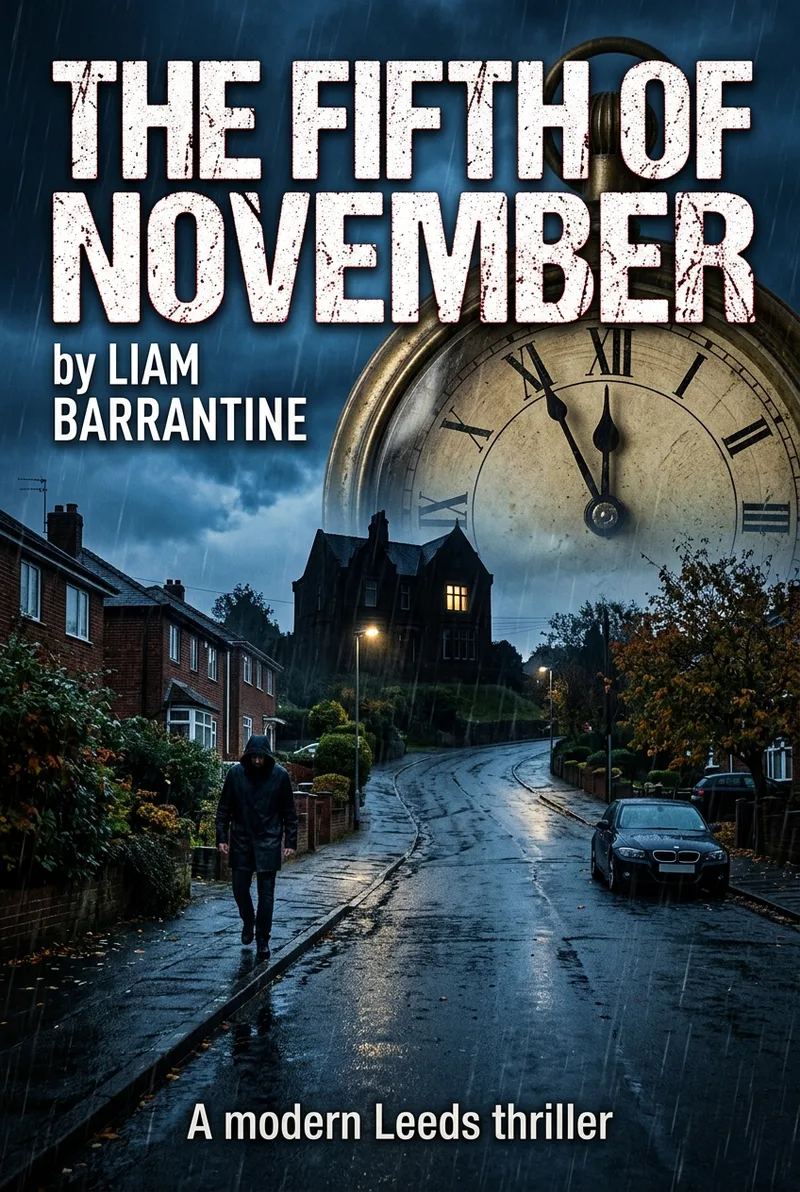
The Fifth of November
A modern Leeds thriller. A group of men meet in a quiet Alwoodley house to plan an act of violence for the fifth of November. One of them begins to have second thoughts.
50 minute read
Reader Comments
Leave a Comment or a Book Review
We would love to hear your thoughts on this chapter, or even a complete book review.