Photography Publications — Example Gallery
A look at how a published piece appears on the site.
These six photographs are well-known public domain works used purely as layout examples — not real author submissions. They show how your own photography and story would appear once published: image, title, and the story behind it, side by side.
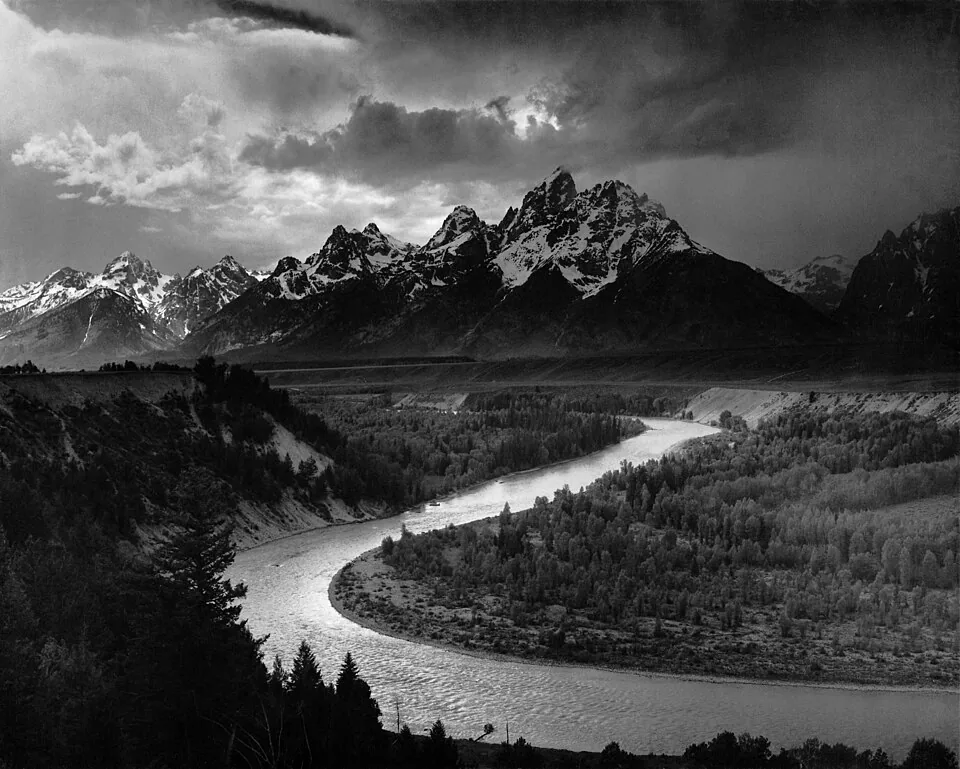
The Tetons and the Snake River
Ansel Adams, 1942
The river bends through the valley floor like a ribbon of light, the Teton range rising sheer and dark behind it. Adams made this during a wartime commission for the Department of the Interior — a project cut short before it was finished.
“I believe my work relates most efficiently to an emotional presentation of what we are fighting for,” he wrote at the time. The image outlasted the war, the commission, and everyone involved in both.
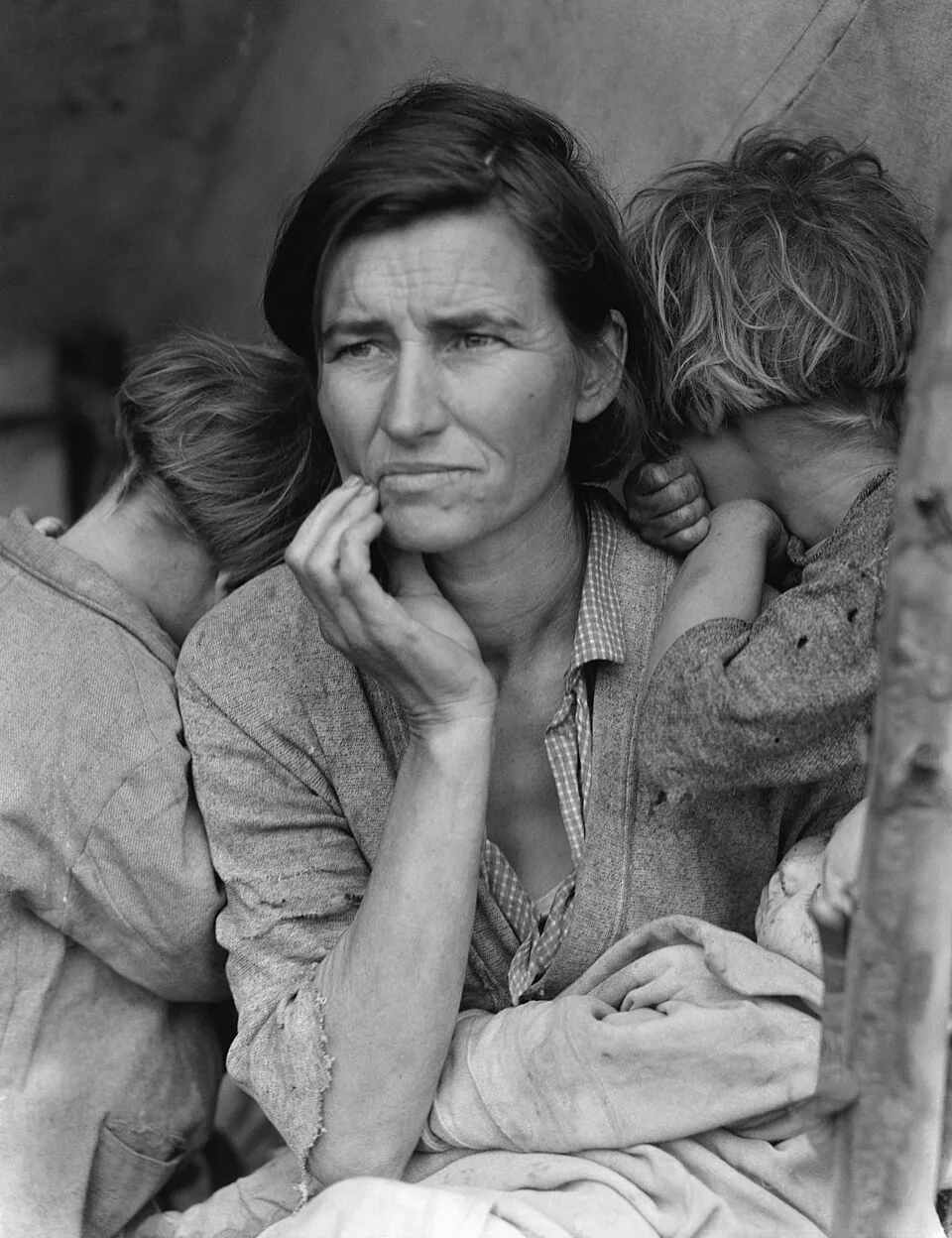
Migrant Mother
Dorothea Lange, 1936
A mother stares past the camera, two children burying their faces in her shoulder. Lange found her at a flooded pea-picker's camp, a woman who'd just sold the tires off her car to buy food.
“I saw and approached the hungry and desperate mother, as if drawn by a magnet,” Lange wrote years later. She never learned the woman's name until decades after the photograph made her famous.
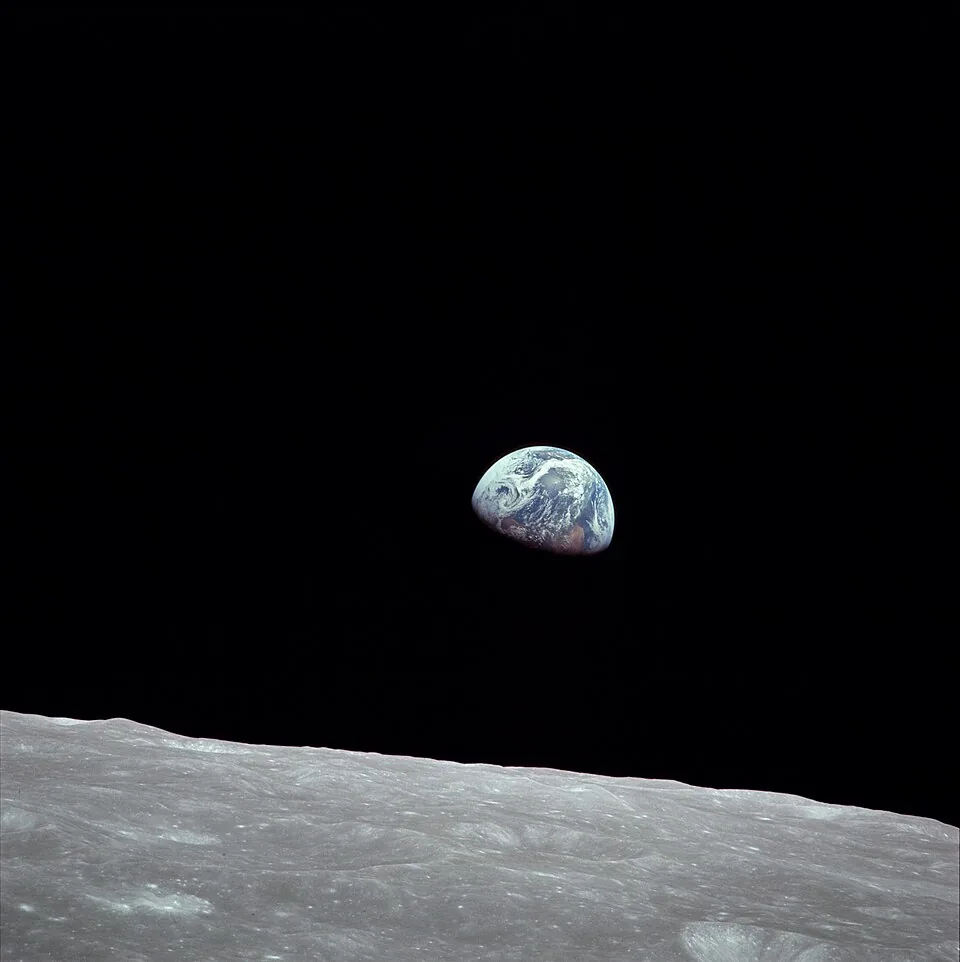
Earthrise
William Anders / NASA, 1968
Earth rises over a gray lunar horizon, small and entirely alone in the dark. Anders had been sent to photograph the Moon's surface; instead he grabbed a camera and turned it the other way.
“The most important thing is that we discovered the Earth,” he said afterward. The image is credited with helping launch the modern environmental movement.
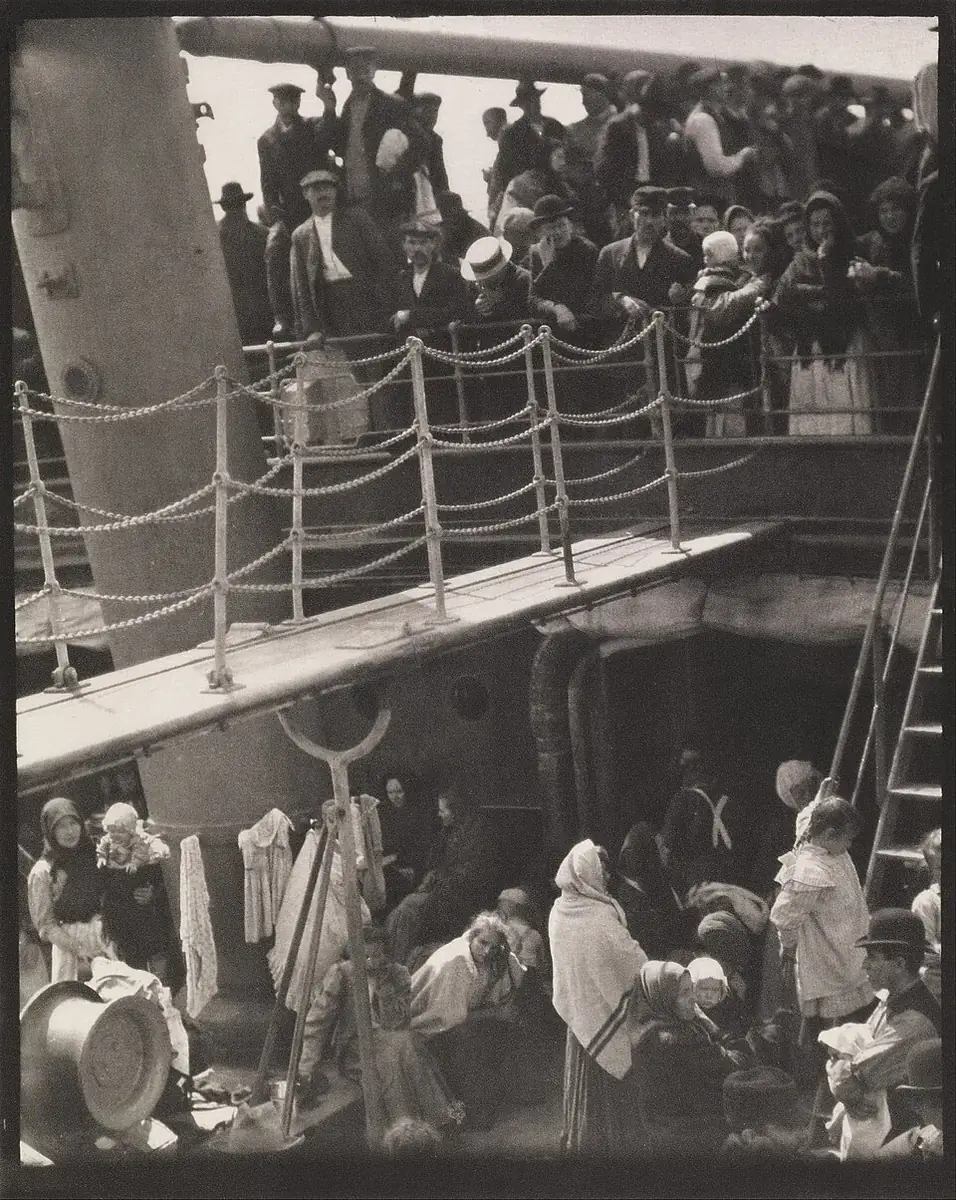
The Steerage
Alfred Stieglitz, 1907
A round straw hat, a white gangway, a funnel leaning left against a stairway leaning right — Stieglitz composed this like a painting, though he took it in seconds from the deck of a ship bound for Europe.
“I saw a picture of shapes,” he wrote decades later, “and underlying that the feeling I had about life.” It's considered one of the first truly modern photographs.
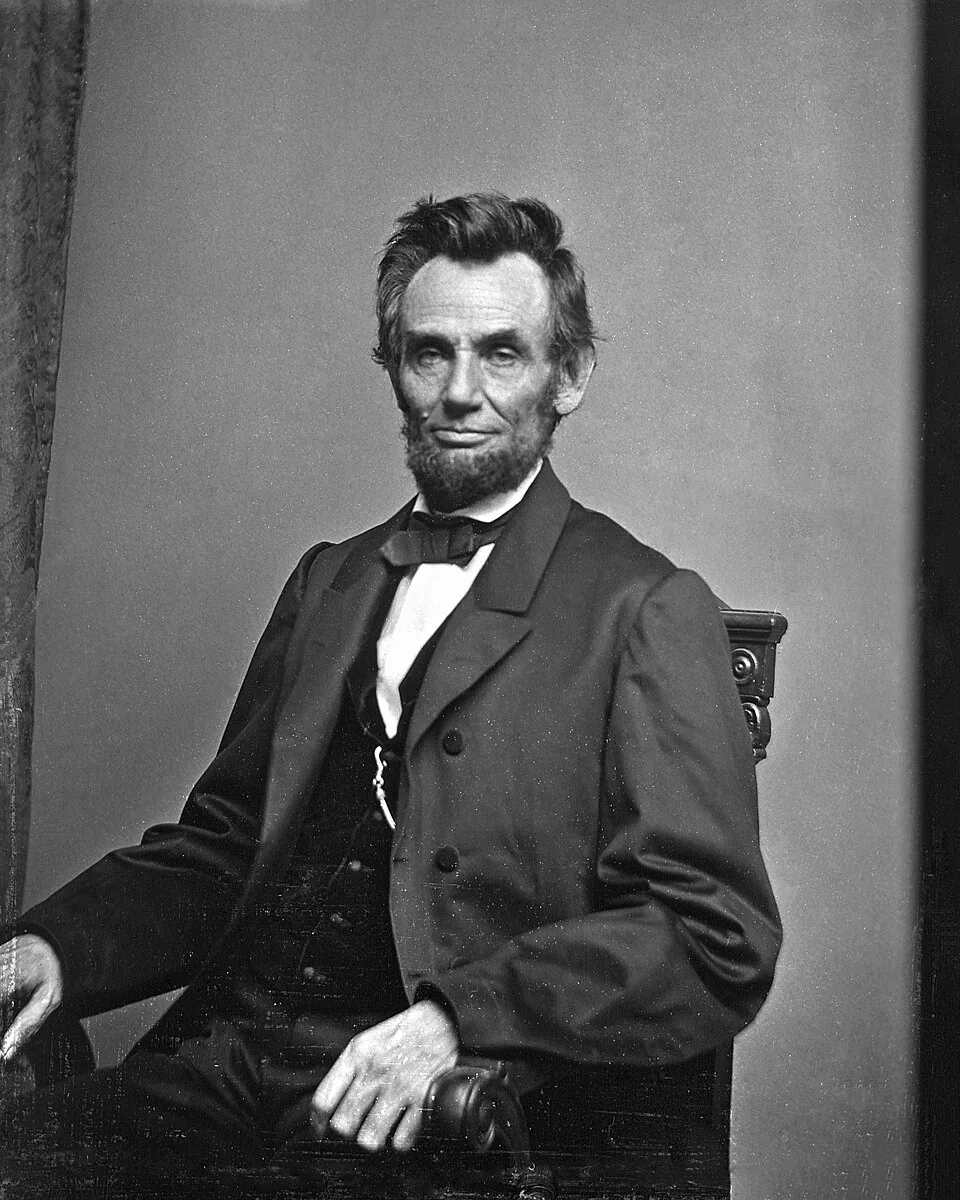
Abraham Lincoln
Mathew Brady, 1864
Lincoln sits for the camera the way he stood for everything else in that decade — composed, weathered, unhurried. Brady's studio portraits circulated on campaign buttons and newspaper engravings long before most Americans ever saw the man himself.
“Brady and the Cooper Union speech made me president,” Lincoln reportedly said. A photograph, in 1860, could apparently do that.
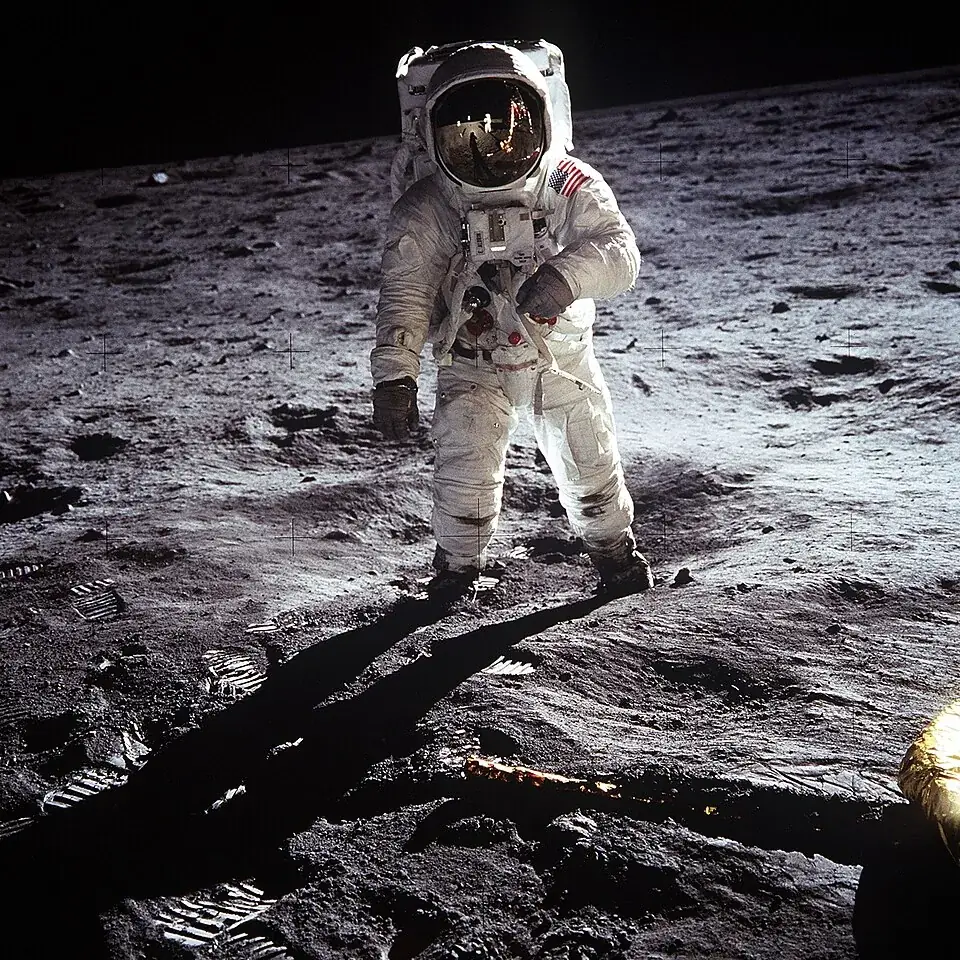
Buzz Aldrin on the Moon
NASA / Neil Armstrong, 1969
Aldrin descends the ladder onto a surface no one had touched before, boot print about to become the second in human history. Armstrong, behind the camera, called the view magnificent.
Aldrin answered with two words: “Magnificent desolation.” Beauty and emptiness, in the same breath, from 240,000 miles away.