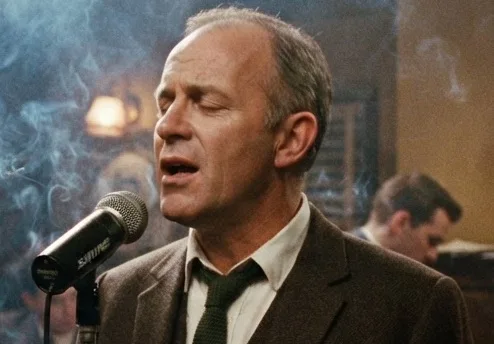
There was a time when Leeds pubs and clubs hosted open-mic competitions where people actually knew how to sing. I know, because I was one of them. Give me a microphone, a decent song and an audience and I could do what seems increasingly beyond the modern performer: sing. I could hold a note, stay in tune, project across a room and, most importantly, sound like myself.
Then everything changed.
Today's open-mic competitions are often little more than auditions for professional impersonators who haven't yet been offered a job. Nobody seems content with having their own voice. Instead, contestants arrive determined to reproduce whichever famous singer they have been obsessing over. One sounds like a budget Adele, another has borrowed Ed Sheeran's mannerisms, while somebody else is apparently convinced that putting a gravelly growl on every line makes them a soul singer.
It doesn't. It makes them sound like somebody doing an impression of somebody doing an impression.
The truly remarkable part is that the audience encourages it. They hear a contestant reproduce a famous singer's vocal mannerisms and immediately recognise the reference, so naturally they applaud. They are not necessarily responding to good singing; they are responding to familiarity. It is musical name-dropping. If the performer can produce the same little vocal crack, exaggerated breath or dramatic hand gesture they saw on television, the crowd acts as though they have witnessed something extraordinary.
What happened to having your own voice?
I have never needed to impersonate anybody. When I sing, I know how to use my voice. I understand phrasing, breath control, pitch and projection. I know how to build a chorus and make a room listen. I don't need to manufacture a rasp, throw in unnecessary vocal gymnastics or pull the same tortured expression made famous by whichever celebrity happens to be fashionable that month.
And then there are the singers who cannot even manage that. They mumble, whisper and wander around the melody while strumming three gloomy guitar chords. The lyrics disappear somewhere between their mouth and the microphone, the tune comes and goes without warning, and the rhythm seems to have been left at home. Yet when they finish, somebody inevitably says they were "really authentic".
No. They were out of tune.
There is nothing cruel about expecting a singer to sing. The great performers of previous generations understood that a voice required technique. They developed a recognisable sound instead of copying somebody else's. They could take a song, stamp their personality on it and make an audience remember the performance.
Modern open-mic competitions too often reward the opposite: imitation dressed up as originality and incompetence disguised as vulnerability.
So perhaps it is time to let the competitions die. Let the tribute acts go back to their bedrooms, let the audiences put the original recordings on their phones, and let somebody finally stand on a stage and sing without trying to sound like somebody else.
If they want to hear that, I will be there.
After all, somebody has to show them how it is supposed to be done.
Reader Comments
Leave a Comment or a Book Review
We would love to hear your thoughts on this chapter, or even a complete book review.